

Past SENSORS Conference Speakers
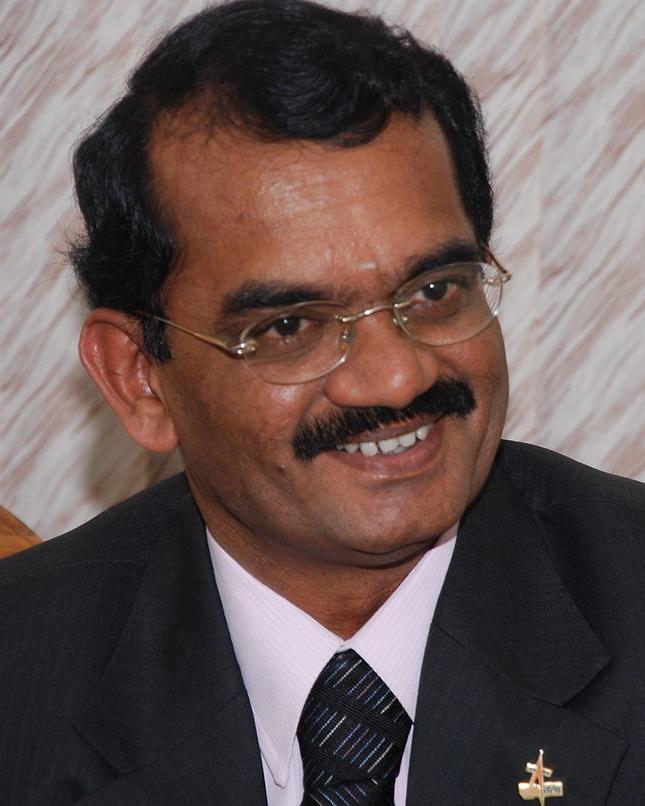
Mylswamy Annadurai
Dr.Mylswamy Annadurai
- Distinguished Scientist & Former Director, ISRO Satellite Centre, Bangalore
- IEEE Sensors 2018, Oct. 28-21, 2018, New Delhi, India
About Dr.Mylswamy Annadurai
Topic: Mangalyaan: The Success Story of India’s First Mission to Mars

Horst Bleckmann
Dr. Horst Bleckmann
- Institute of Zoology, University of Bonn Poppelsdorfer Schloß, D-53115 Bonn Germany
- IEEE Sensors 2004, Oct. 24-27, 2004, Vienna, Austria
Topic: Nature as model for technical sensors
Gian-Luca Bona
Professor Gian-Luca Bona
- Material Challenges and Opportunities for Sensor Applications
About Professor Gian-Luca Bona
Jérôme Casas
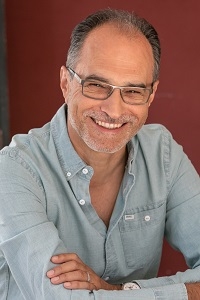
Jérôme Casas
- University of Tours, France
Jérôme Casas obtained his Ph.D. from the ETH Zurich in 1989. After a short post-doc at Strathclyde University in Glasgow he was hired assistant professor at the ETH Zurich. He migrated to the US in 1993, working at the University of California, Santa Barbara, and returned to Europe as full Professor in 1995 in Tours.
His research interests span physiology and ecology, including work on the physical ecology of insects; the physiology, behavior and population dynamics of consumer-resource interactions; sensory ecology; and biologically- inspired technology, particularly biomimetic flow sensing. One notable feature of his approach is the blending of natural history with both state-of-the-art technology and modeling. His group is composed of applied mathematicians, engineers and biologists. From 2001 to 2008, he was the director of the Institut de Recherche sur la Biologie de l’Insecte (UMR CNRS), one of the largest institutions in Europe working on insects. He contributes or did so to many scientific boards, the most notable being BIOKON-The International Biomimetics Association (Berlin) as well as the interdisciplinary committee of the Canada Research Chairs program (Ottawa).
He was awarded the ETH medal for a thesis in the University’s top 10%, was nominated junior member of the IUF (Institut Universitaire Français), later senior member of the IUF and was the Distinguished Invited Professor of the Center for Insect Science at the University of Arizona in Tucson in 2006. He holds the excellency Chair for bio-inspired technologies at the LETI CEA. He got a Humboldt research prize, to work on bio-inspired technology with T. Speck (Freiburg) and P. Fratzl (Postdam). Prof. Casas also served on the editorial board of a number of ecological, physiological and interdisciplinary journals. Currently, he is editor in chief of Current opinion in Insect Sciences, ranked 3rd in the entomological section.
Insects bio-inspired sensors
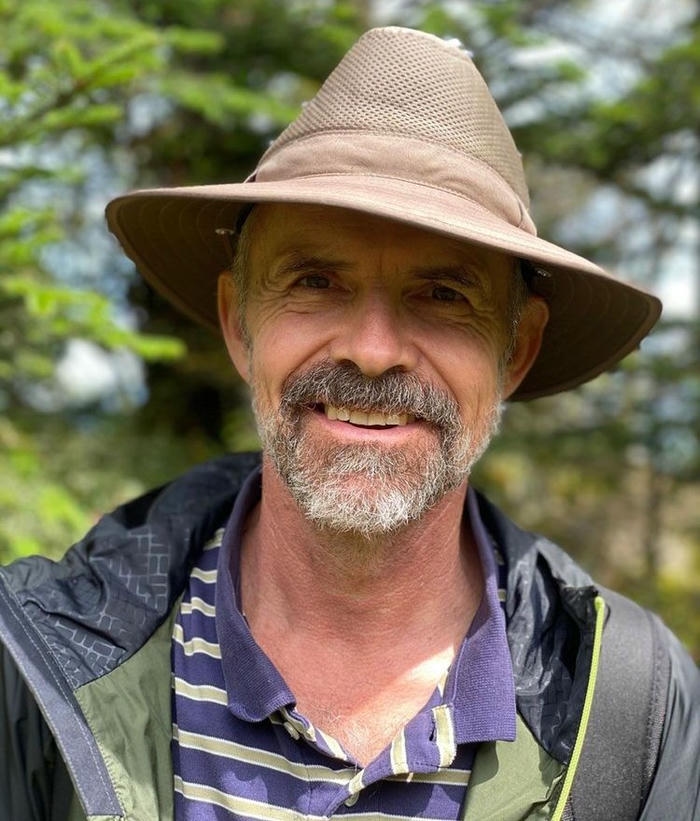
Andrew Cleland
Andrew Cleland
- University of Chicago
Emitting and sensing individual surface acoustic wave phonons
I will describe recent results from my group, where we have shown that we can emit and detect individual microwave-frequency surface acoustic wave phonons on-demand. We have used these phonons to transmit quantum states and generate quantum entanglement; demonstrated a single-phonon interferometer and a quantum information process known as “quantum erasure”; and most recently demonstrated the acoustic Hong-Ou-Mandel effect with phonons, illustrating the wave-particle duality fundamental to quantum mechanics. Interestingly, this last development points to the possible development of a phonon-based architecture for quantum computing.
Masayoshi Esashi
Professor Masayoshi Esashi
- Integrated MEMS by Adhesive Bonding
About Professor Masayoshi Esashi
Franz Faschinger
Franz Faschinger
- Austria Micro Systems AG, Schloss Premstaetten, Austria
About Franz Faschinger
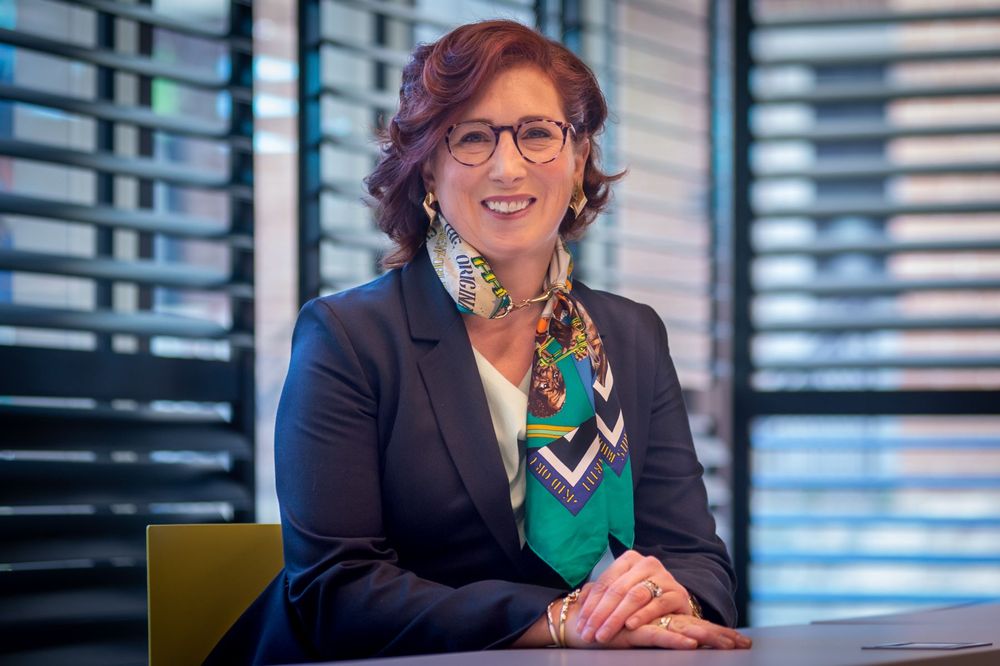
Kimberly Foster
Kimberly Foster
- Tulane University, USA
Nonlinearity and Sensing: a 30 Year Journey
My work with nonlinearity and microelectromechanical systems began nearly 30 years ago when I began graduate school at Cornell. In this talk, I will look back at the progression of the field over the past 30 years, and use examples from my own work and others, to demonstrate how nonlinearity has played a large role in the sensor revolution. I will touch on not only key inventions and demonstrations, but also discuss how modeling and testing have evolved to enable faster and more effective progress. The increases in sensitivity and bandwidth, along with more sophisticated control algorithms have enabled MEMS to be a key element in smart homes, automobiles and healthcare.
Bio: Kimberly Foster (formerly Turner) is Dean of the Tulane University School of Science and Engineering. Foster grew up in the Upper Peninsula of Michigan, receiving her Bachelor of Science degree in Mechanical Engineering from Michigan Technological University in 1994. She then studied Theoretical & Applied Mechanics at Cornell University, receiving a PhD in 1999.
While at Cornell, she became fascinated by the “very small” and spent most of her time there building and inventing methods of characterizing microelectromechanical devices. Following her PhD, she moved to UC Santa Barbara, where as an assistant professor, she began a laboratory effort focused on understanding and exploiting nonlinear dynamics for a wide range of microscale sensors. She became Associate Professor in 2004, and Full Professor in 2008. She served as Vice Chair of the mechanical engineering department from 2006-2008 and department Chair from 2008-2013. She also co-Chaired UCSB’s BRAIN Initiative, and until her departure from UCSB in 2018, was Associate Director of the Center for Bioengineering at UCSB. She was the Sensors Task order Leader for the UCSB-MIT-Caltech ARMY Institute for Collaborative Biotechnology from 2004-2009.
Foster has always worked on research that falls at the boundaries between fields and has many research collaborators worldwide. She has over 175 refereed publications in journals including Nature and PNAS. Her research has been featured on TV shows, NPR (Canada), and many international publications. She has mentored 24 students to completion of PhDs, and her interdisciplinary research has been funded by NSF, ARMY, AFOSR, DARPA, as well as the Keck Foundation. She is an elected Fellow of the American Society of Mechanical Engineers, is on the founding Editorial Board of Sensors Letters Journal, and on the editorial board of Microelectronic Engineering journal. She also serves on the Board of the Transducer Research Foundation which sponsors conferences, workshops, and supports graduate student participation in conferences and workshops. Foster is also a creative inventor, and holds 12 US patents. She is the recipient of a number of awards including the NSF CAREER award, and in July 2018 was featured as one of 120 worldwide “Women of Impact” in a recent book. She is an award-winning teacher and mentor, having won the UCSB Academic Senate Distinguished awards for both Teaching (2005) and Graduate Mentoring (2013).
In her time as Dean at Tulane, she oversaw the creation of Masters and PhD programs in the interdisciplinary River Coastal Science & Engineering, as well as a Masters in Materials engineering, Masters in Computer Science, among others. The School will have a new building project completed in September 2023, that will provide 70K square feet of research and education space. Since 2018, the school’s annual research expenditure has grown by nearly 40%. Foster, a champion of interdisciplinary collaboration, is proud of the expansion in research, primarily due to large interdisciplinary training and research programs.
Kimberly Foster’s current scholarly research interests include nonlinear microelectromechanical systems, micro/nanoscale mechanics and biomedical technology development. As a leader, she is committed to and passionate about interdisciplinary research and education for scientists and engineers, and on the continued evolution of engineering and science education at all levels.
Expertise: Semiconductor manufacturing, MEMS device fabrication, Biomedical micro devices. Interdisciplinary research. Microsensors.
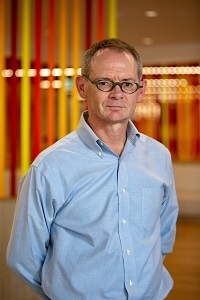
Justin Gooding
Justin Gooding
- University of New South Wales
Scientia Professor Justin Gooding is currently an National Health and Medical Research Council Investigator Award holder and was previously an ARC Australian Laureate Fellow. He is the fouding co-director of the Australian Centre for NanoMedicine and the founding co-director of the New South Wales Smart Sensing Network. He is a Fellow of the Australian Academy of Science, the Australian Academy of Technology and Engineering and the International Society of Electrochemistry. He is the inaugural editor-in-chief of the journal ACS Sensors.
He has published over 440 research papers including Nature Nanotechnology, Nature Biotechnology, Nature Immunology, Nature Biomedical Engineering, Nature Communications and Science Advances. He has also authored 14 patents and one text book. His papers have been cited more than 23000 times and his H-index (Scopus) is 75. He has won numerous awards including Eureka Prizes in Scientific Research and Mentoring of Young Researchers, the Faraday Medal of the Royal Society of Chemistry, the Elsevier Biosensors and Bioelectronics Award and the Katsumi Niki Prize in Bioelectrochemistry and the Heyrovsky Prize in Molecular Electrochemistry from the ISE. He has been part of the commercialization teams for a glucose biosensor that is sold worldwide and and an Australian based 3D bioprinting company. He leads a research team of over 40 researchers interested in surface modification and nanotechnology for biosensors, biomaterials, electron transfer and medical applications.
From Ultrasensitive to Single Molecule Biosensors that Operate in Complex Biological Fluids
Evgeni Gousev
Evgeni Gousev
- Qualcomm, USA.
About Evgeni Gousev
Asad M. Madni
Dr. Asad M. Madni
- Executive Managing Director and Chief Technical Officer, Crocker Capital
About Dr. Asad M. Madni
Dr. Asad M. Madni is past President & Chief Operating Officer (1992-2006) of BEI Technologies, Inc.(NASDAQ:BEIQ), located in Sylmar, California. Prior to joining BEI he was with Systron Donner Corporation (A Thorn/EMI Company) for 18 years where he served in various senior level technical and executive positions, eventually as Chairman, President & CEO. He is currently serving as the Executive Managing Director & Chief Technical Officer of Crocker Capital based in San Francisco, California. He received the A.A.S. degree from RCA Institutes, Inc., B.S. and M.S. degrees from University of California, Los Angeles, the Ph.D. degree from California Coast University ( all in electrical engineering) and the DSc. Degree (Honoris Causa) from Ryerson University. He is also a graduate of the Certificate Program in Engineering Management at the California Institute of Technology, the Executive Institute at Stanford
University and the Program for Senior Executives at MIT Sloan School of Management. Dr. Madni is an internationally recognized authority with over 35 years of experience in “intelligent” system design and signal processing. He is credited with over 140 refereed publications in archival journals, conference proceedings & book chapters; over 100 research reports & internal publications; over 100 keynote addresses, invited lectures, chairs & panels; and 67 issued or pending patents resulting in numerous “industry firsts”. He has served as a director on the board of six technology companies and on the advisory boards of several professional and academic organizations. He is currently serving as “Distinguished College Professor” at TCI College of Technology; as Adjunct Professor at Ryerson University & University of New Mexico, Albuquerque; and on advisory boards at California State University Northridge College of Engineering & Computer Science, UCLA Henry Samueli School of Engineering & Applied Science, USC Viterbi School of Engineering, Northwestern University Robert R. McCormick School of Engineering & Applied Science, TCI College of Technology, IEEE Systems Journal, AutoSoft Journal, and as Honorary Editor of the International Journal on Smart Sensing & Intelligent Systems. Dr. Madni is also the recipient of numerous National & International Awards and Honors including, the Marconi Medal from TCI College of Technology, the 2008 IEEE Region 6S “Outstanding Engineer” and “Outstanding Leadership and Professional Service” Awards, the 2006 World Automation Congress–AutoSoft Journal Lifetime Achievement Award, the 2005 IEE Achievement Medal, the 2004 Alumnus of the Year Award from the UCLA Henry Samueli School of Engineering & Applied Science, the 2004 Distinguished Engineering Achievement Award from the San Fernando Valley Engineers’ Council, the 2003 George Washington Engineer of the Year Award from the Los Angeles Council of Engineers & Scientists, the 2002 UCLA Professional Achievement Award Medal, IEEE Third Millennium Medal, Joseph F. Engelberger Best Paper Award at the 2000 World Automation Congress, California Coast University Distinguished Alumni Award, Association of Old Crows Gold Certificate of Merit, and is listed in all the major Who’s Who publications including Who’s Who in America. He is a Chartered Engineer, Fellow of the Institute of Electrical & Electronics Engineers, Fellow of the Institution of Electrical Engineers (UK), Fellow of the Institution of Engineering & Technology (UK), Fellow of the Institute for the Advancement of Engineering, Fellow of the New York Academy of Sciences, Fellow of the American Association for the Advancement of Science, Fellow of the Society of Automotive Engineers, Lifetime Associate Fellow of the American Institute of Aeronautics & Astronautics, and Life Fellow of the International Biographical Association. He is also an Eminent Engineer of Tau Beta Pi, The National Engineering Honor Society; Member of Sigma Xi, The Scientific Research Honor Society; Member of Delta Epsilon Tau, International Honor Society and Life Member of the Association of Old Crows.
SMART CONFIGURABLE WIRELESS SENSORS AND ACTUATORS FOR INDUSTRIAL MONITORING AND CONTROL
Intelligent wireless sensor-based controls have drawn industry attention on account of reduced costs, better power management, ease in maintenance, and effortless deployment in remote and hard-to-reach areas. They have been successfully deployed in many industrial applications such as maintenance, monitoring, control, security, etc. This presentation focuses on research that addresses the issues faced by instrumentation systems and predictive maintenance industrial applications and presents a design solution to cater to the issues faced by these applications.
Instrumentation systems are either open or closed loop control systems formed using sensors and actuators with the objective of controlling certain parameters, or state of the system. The system elements are always in communication with each other, typically, requiring real-time performance and built-in fault-tolerance for communication/node failure – to return to a safe-state in a deterministic amount of time. Predictive-maintenance involves tracking physical state of equipment or machine, and to take action, if an acceptable or allowed state(s) is violated. Predictive-maintenance applications are not active all the time in order to conserve energy. The sensors are either periodic or event-based; they wake up, check status and go back to sleep. In case of any violation, they raise an alarm or record the digression. They are very useful in keeping machine down-times low and help locate the problem before the machine breaks down.
Typical systems employ different types of sensors (e.g., position, accelerometers, gyros, etc.) and actuators (e.g., motors) often deployed within the same network, having different capabilities, interfaces, and supporting different protocols for data and communications. Formation of systems from such diverse distributed sensor elements entails versatile control modules, which understand different sensor protocols and utilize them. In addition, the operational challenges are exacerbated when different RF links have to be used to satisfy the requirements of bandwidth, payload, delay, jitter, range, noise immunity and others (including cost) for communication.
The Smart Sensor Platform discussed in this presentation is an attempt to develop a generic platform with ‘plug-and-play’ capability to support hardware interface, payload and communications needs of multiple inertial and position sensors, and actuators/motors used in instrumentation systems and predictive maintenance applications. Communication is carried out using a RF link (Wi-Fi, Bluetooth, Mote or RFID), in a point-to-point topology. The design also provides means to update operating and monitoring parameters, and thresholds as well as sensor and RF link specific firmware modules ‘over-the-air’. It is composed of two main components – a sensor-wireless hardware interface and system integration framework, which facilitates the defining of interaction between sensors/actuators based on process needs. The intelligence necessary to process the sensor signals, monitor the functions against defined operational templates, and enable swapping of sensor and RF link resides on the microcontroller of the hardware interface. A variety of industrial motion sensors like gyroscopes, Inertial Measurement Units (IMU), linear position sensors, absolute and incremental encoders and Brushless DC motors, have been interfaced and successfully tested with the platform.
K. T. V. Grattan
Professor K. T. V. Grattan
- Dean, School of Informatics and School of Engineering & Mathematical Science City University London
About Professor K. T. V. Grattan
Professor Grattan graduated in Physics from the Queen’s University of Belfast with a BSc with First Class Honours in 1974, followed by a PhD in Laser Physics in the use of laser-probe techniques for measurements on potential new dye laser systems.
In 1978 he became a Research Fellow at the Imperial College of Science and Technology, (sponsored by the UK Rutherford Laboratory) to work on advanced photolytic drivers for novel laser systems. In 1983 he joined City University London as a “new blood” Lecturer in Physics, being appointed Professor of Measurement and Instrumentation and Head of the Department of Electrical, Electronic and Information Engineering in 1991, a post he held for 10 years. His research interests have expanded to include the use of fibre optic and optical systems in the measurement of a range of physical and chemical parameters and he has been active in many aspects of that field over the past 25 years. He obtained a DSc from City University in 1992 for his work in sensor systems and became Chairman of the Science, Education and Technology of the Institution of Electrical Engineers, Chairman of the Applied Optics Division of the Institute of Physics and he was President of the Institute of Measurement and Control during the year 2000. He was awarded the Callendar Medal and the Honeywell Prize of the Institute of Measurement and Control and appointed Dean of the School of Engineering & Mathematical Sciences and the School of Informatics at City University in 2008. He was elected a Fellow of the Royal Academy of Engineering, the UK’s national academy for engineering in 2008.
He is the author of some seven hundred publications in major international journals and conferences and is the co-editor of a five volume topical series on Optical Fibre Sensor Technology.
Katia Grenier
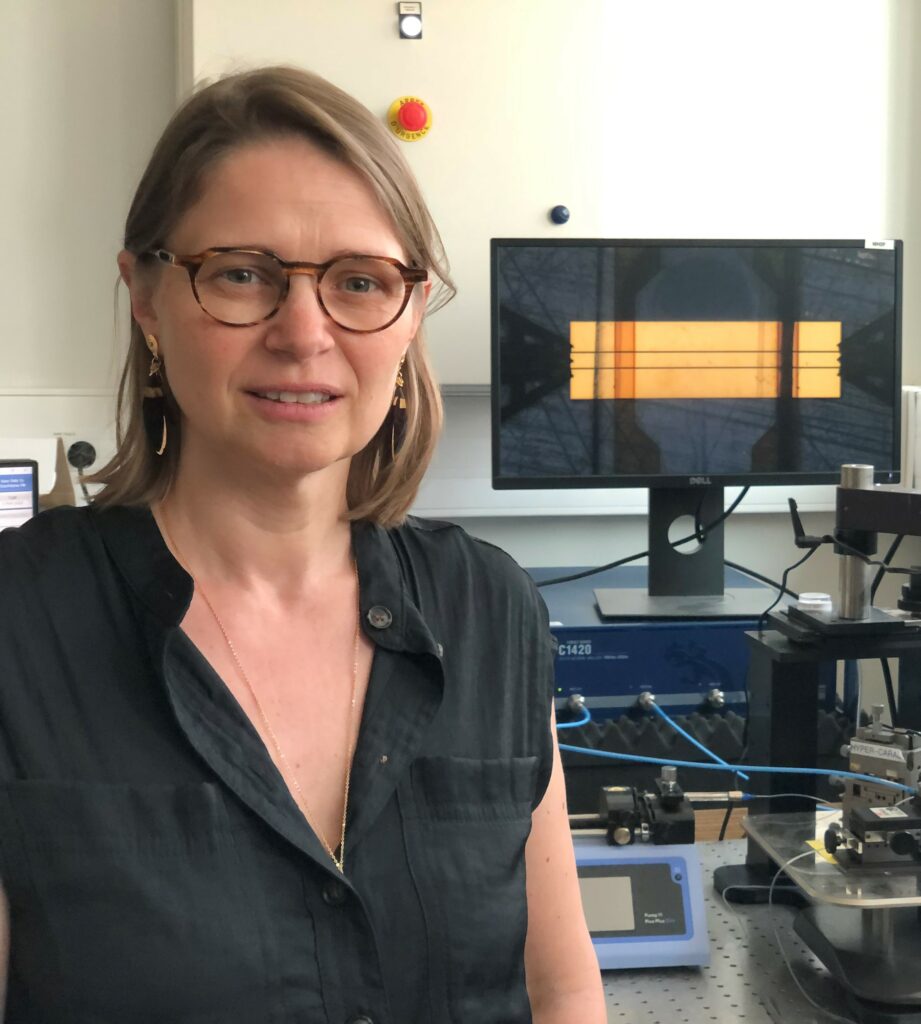
Katia Grenier
- LAAS-CNRS, France
Katia Grenier received her Ph.D. degree in electrical engineering from the University of Toulouse, France, in 2000. After a Postdoctoral Fellowship at Agere Systems (Bell Labs, USA) in 2001, she joined the LAAS-CNRS in France and was engaged in RF MEMS circuits on silicon. From 2007 to 2009, she was with the Laboratory for Integrated Micromechatronic Systems of CNRS (LIMMS-CNRS) in the University of Tokyo, Japan, where she was engaged in launching research activities on miniature microwave-based biosensors. Since 2009, she is heading a research group at LAAS-CNRS with interests are focusing on the interaction of RF electromagnetic waves with complex fluids. It involves the development of microwave-based systems based on dielectric spectroscopy for biological and medical sensing applications as well as for evaluating electromagnetic waves effects on the living.
Dr. Grenier is a member of the Technical Committee dedicated to Biological Effects and Medical Applications of the IEEE Microwave Theory and Techniques Society and of the European Microwave Association. She serves as Program Committee member of several conferences, including the IEEE MTT-S International Microwave Symposium and the European Microwave Week. She also chaired the IEEE BioWireleSS 2015 & 2016 conferences, was the General Chair of the IEEE International Microwave Biomedical Conference 2020. She has acted as Guest Editor in several Special Issues in IEEE Transactions on Microwave Theory and Techniques (IEEE T-MTT) and IEEE Journal of Electromagnetics, RF and Microwaves in Medicine and Biology (IEEE J-ERM). She is also regularly involved in Women in Microwave events’ organization. She has authored and co-authored over 220 technical conference, letter, journal papers and book chapters, holds 4 patents and is involved in the spreading of microwave techniques within industrial products.
Microwaving Cells for Molecular, Cellular and Tissue Sensing: Which Status, Challenges and Prospects for Health and Medicine
Microwaves and millimeterwaves constitute a current and quasi ubiquitous element of our surrounding and living environment. They are not only used for rapid food heating but also widely known and increasingly exploited for wireless communications, automotive radars, home automation and now with the explosion of data transfer from connected objects. In addition, microwave and millimeterwave dielectric spectroscopy is a powerful technique to non-destructively and non-invasively sense materials. This method exploits the interaction of the electromagnetic field with matter and probes the dynamics of molecule reorientation, predominantly water molecules with its relaxation phenomenon centered around 20 GHz for bulk water, and the variations between the bulk and bounded contributions. Investigations such as macroscale moisture content measurements in agronomy, water detection in soils have been successfully carried out and exploited in industry. Dealing with biological research and biomedical applications, where non-invasive, label-free and contact-less abilities as well as in-liquid measurements constitute important leitmotivs, investigations have been conducted for long with a strong emphasis on microwave imaging for cancer detection, as well as treatments and ablations with localized heated probes. With the advent of microtechnologies and the miniaturization of microwave sensors in association to microfluidic implementations, the non-destructive and label-free analysis of molecules, cells and tissues by microwave dielectric spectroscopy has become possible. The talk will therefore provide a status on the developed sensors and the associated instrumentation, as well as on the reached sensing capabilities demonstrated on different biological and living materials and at different scales, from the molecular, cellular to the tissue level and more recently with the microtissues. It will more particularly highlight the major challenges that needed to be addressed and the remaining ones to face. Based on the illustration of the main achievements, prospects will be given towards a better biological understanding, the early diagnostic of diseases and their treatment, and towards personalized medicine.
Baher Haroun
Baher Haroun
- Senior Fellow, FIEEE, Kilby Labs, Texas Instruments Inc., USA
Baher S. Haroun, Fellow IEEE, is an elected Senior Fellow at Texas Instruments Inc. and a director of Advanced Technology Exploration at Kilby Labs, TI. Baher since 1995 at TI has led multiple R&D projects in high performance wireless systems, ADCs, DACs, mmWave/THz RF, high precision clocks/PLLs, Gbps SerDes, efficient RF digital power amplifiers and ultrasonic, optical and mmWave Radar sensing circuits and systems. From 1998-2009 he has led Worldwide design teams for Analog, mixed-signal, power management and RF CMOS integration in TI Wireless BU over 6 digital CMOS processes nodes (from 0.18um to 28nm) for billions of wireless devices in the market. From 2009 till today, Baher has helped create and direct multiple R&D teams on various technologies at TI Kilby Labs. Baher joined Texas Instruments in 1995 in the Mixed Signal Group, after being an assistant, then associate professor at Concordia University, Montreal, Canada from 1989-1995.
Baher has a Ph.D. 1990 from ECE U. of Waterloo, ON, Canada and a M.Sc. and B.Sc. EE from Ain Shams University Cairo, Egypt. Baher has over 150 issued Patents, and 50 published more than 50 IEEE papers. He has served as a session Chair, given invited talks and has been a panel speaker, a member of technical committees and a reviewer for multiple IEEE conferences including ISSCC and ESSIRC.
Smart Sensing: Mixed signal active sensing for precision and energy efficiency
Christofer Hierold
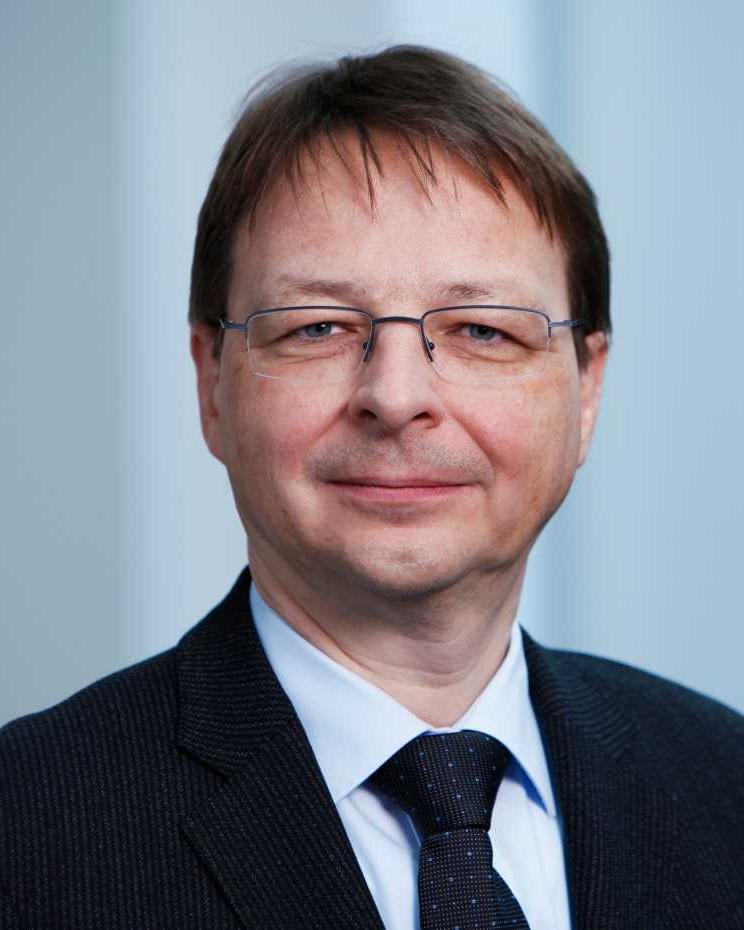
Prof. Dr. Christofer Hierold
- Professor ETH Zürich
“Concepts for Ultra Low Power Sensors”
Abstract: We report on recent progress on ultra-low power and zero power sensor systems. We consider ultra-low power (ulp) sensors a grand objective for miniaturized, i.e. non-intrusive, autonomous and ubiquitous sensor system for all applications, where continuous power supply is not available, expected life time is longer than battery capacity or regular battery exchange is too expensive.
Bio: Christofer Hierold has been a Professor of Micro and Nanosystems, Department of Mechanical and Process Engineering, at ETH Zurich since April 2002. He heads the Department of Mechanical and Process Engineering.
His research is focused on the evaluation of new materials for MEMS, on advanced microsystems, and on nanotransducers. Christofer Hierold has been founding chairman of one of ETH Zurich’s inter-departmental competence centers, the Micro and Nano Science Platform and he coordinates the management team of ETH Zurich’s cleanroom facility, the FIRST lab. In addition, he is a member of the international steering committees of major conferences in the field (MEMS, TRANSDUCERS, EUROSENSORS), he is a member of the editorial boards of IEEE/ASME Journal of Microelectromechanical Systems and of IoP Journal of Micromechanics and Microengineering, and he is joint editor of the book series Advanced Micro and Nanosystems (Wiley-VCH). Christofer Hierold is member of the Swiss Academy of Engineering Sciences (SATW).
Masaki Hirota
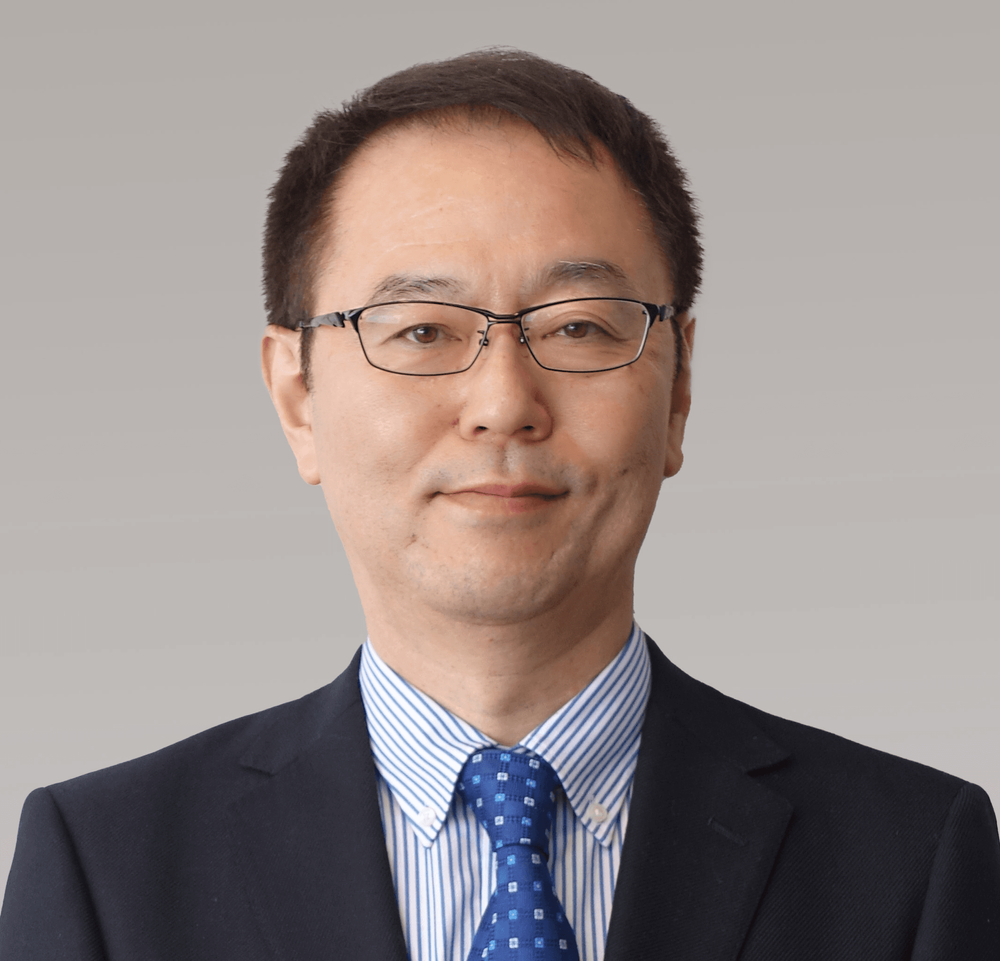
Masaki Hirota
- The Graduate School of Integrated Frontier Sciences, Kyushu University Dean, Professor
Sensors for advanced safety, comfort and convenience in future transportation systems
The number of automobiles owned in the world exceeds 1.5 billion, and major social issues are arising as the number increases and society changes. These include increasing traffic safety issues, traffic congestion issues, environmental issues related to exhaust gas, CO2 emissions and noise, and large consumption of petroleum energy.
Aaron Ho
Prof Aaron Ho
- Electronic Engineering, Chinese Univ. of Hong Kong, Hong Kong, China.
About Prof Aaron Ho
Chris Van Hoof
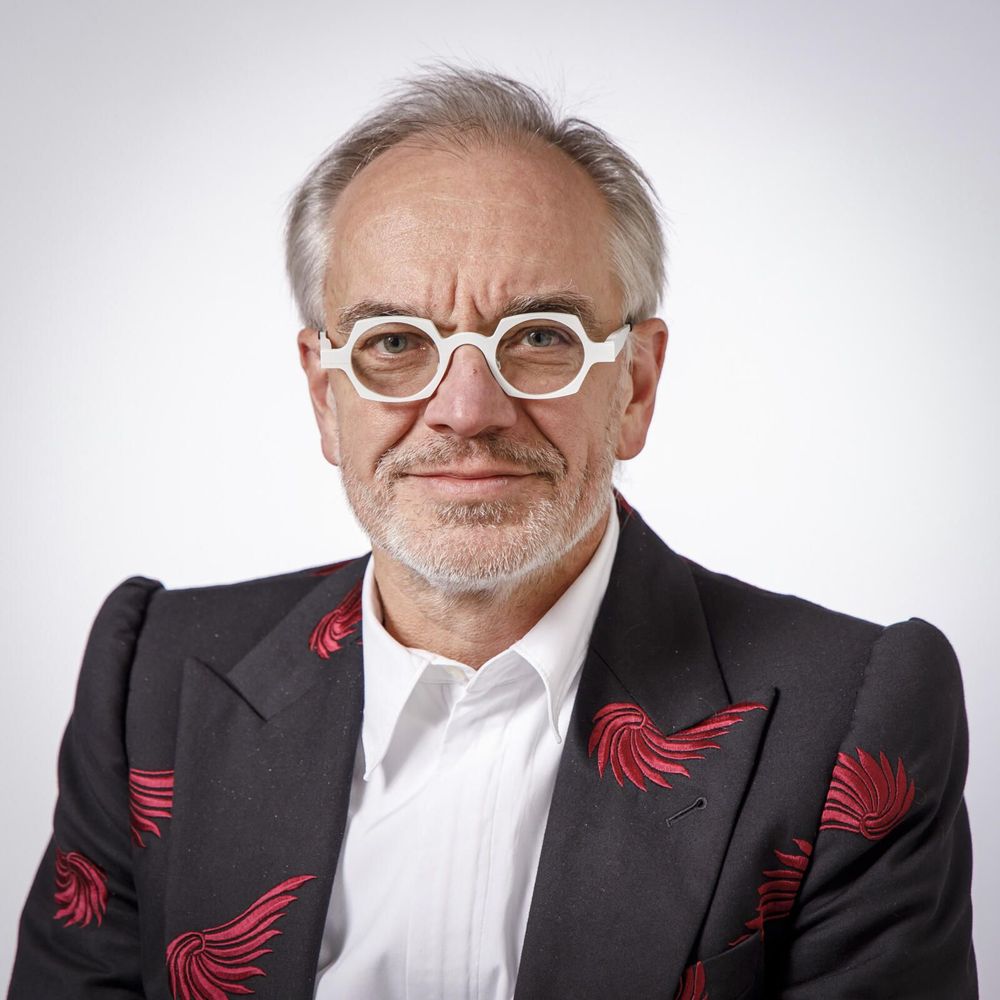
Chris Van Hoof
- IMEC, OnePlanet Research Center Vice-President R&D IMEC General Manager OnePlanet Research Center
Agriculture 5.0, Food 5.0 and Health 5.0 – How technology and AI can enable this radical transformation
While industry 5.0 is in advanced stages of development in many industry segments, a number of areas are significantly lagging behind – among others for reasons of cost (or return on investment), regulatory & safety, complexity. At the same time, sustainable health, sustainable agri and sustainable food are among the biggest problems our society faces.
Roger T. Howe
Roger T. Howe
- University of California – Berkeley, USA
About Roger T. Howe

Kenneth S. Johnson
Dr. Kenneth S. Johnson
- BioArgo: a global scale chemical sensor network to observe carbon, oxygen, and nitrogen cycles in the ocean
About Dr. Kenneth S. Johnson
Julian Jones
Professor Julian Jones
- Deputy Principal for Strategy and Resources, Herriot Watt University, Edinburgh, UK
About Professor Julian Jones
John Kitching
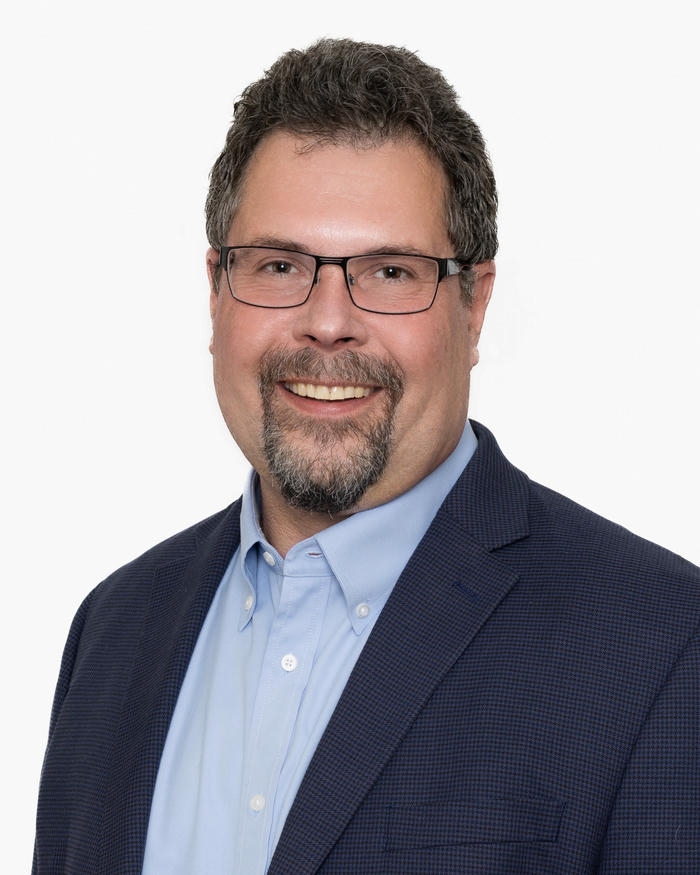
Dr. John Kitching
- NIST
About Dr. John Kitching
Abstract: We describe recent work at NIST to develop precision instruments and sensors based on atomic spectroscopy, advanced semiconductor lasers and micro-electro- mechanical systems (MEMS). The design, fabrication and performance of these instruments will be described, as well as a number of applications to which the devices are well-suited. Finally, we speculate on possible future directions for chip-scale atomic instrumentation with a focus on the use of laser-cooled atomic samples and tools for fundamental metrology.
Bio: Dr. John Kitching is a Fellow and Group Leader in the Time and frequency Division at the National Institute of Standards and Technology. Over the last fifteen years, he and his group pioneered the development of microfabricated “chip-scale” atomic devices for use as frequency references, magnetometers and other sensors. He is a Fellow of the American Physical Society and has been awarded the Department of Commerce Silver and Gold Medals, the 2015 IEEE Sensors Council Technical Achievement Award, the 2016 IEEE-UFFC Rabi Award and the prestigious 2014 Rank Prize.
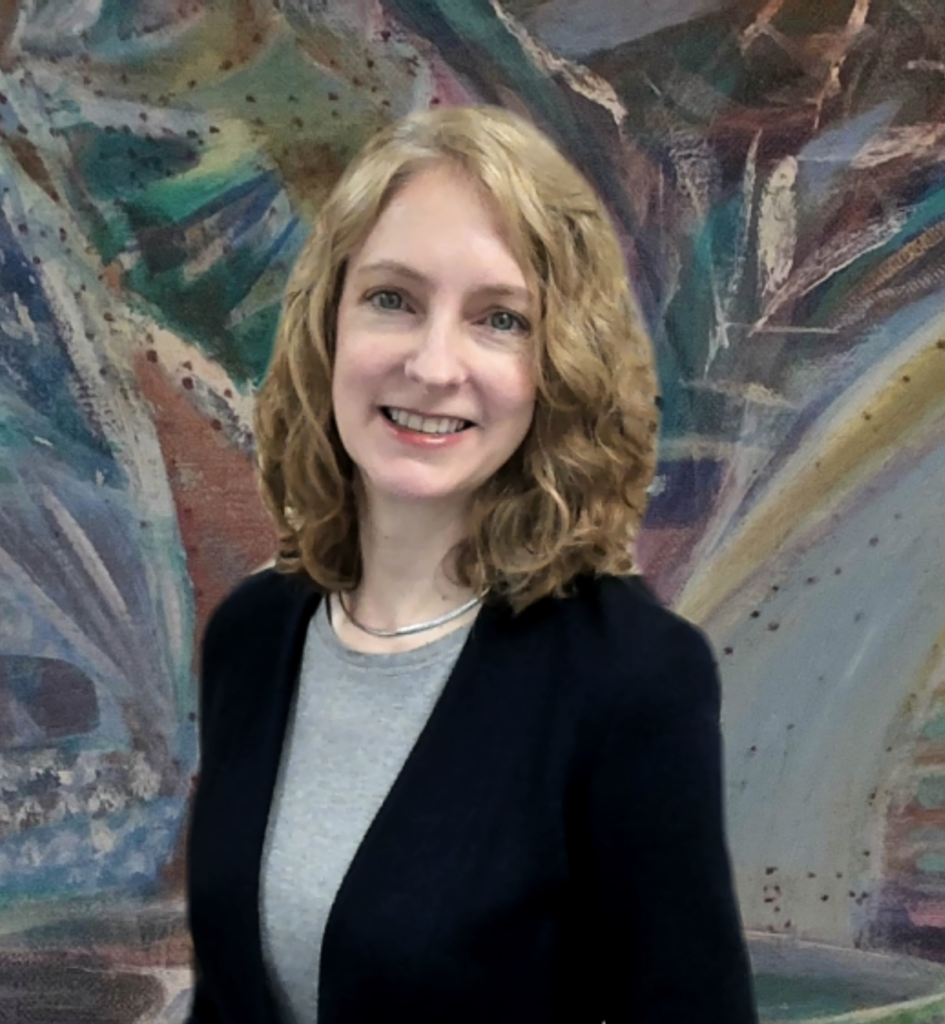
Sarah Lisanby
Sarah Lisanby
- Director, Division of Translational Research, National Institute of Mental Health (NIMH)
Sarah Hollingsworth “Holly” Lisanby, MD, is Director of the NIMH Division of Translational Research which funds research supporting the discovery of preventions, treatments, and cures for mental illness across the lifespan. She founded and directs the NIMH Noninvasive Neuromodulation Unit, a pioneering translational research program specializing in the use of brain stimulation tools to measure and modulate neuroplasticity to improve mental health. She is Professor Emeritus at Duke University Department of Psychiatry and Behavioral Sciences. Previously, she was the first woman to serve as Chair of the Duke University Department of Psychiatry. She founded and directed both the Duke University and the Columbia University Divisions of Brain Stimulation, where she built interdisciplinary research programs specializing in the convergence of Psychiatry, Neuroscience and Engineering. She co-led the NIH BRAIN Initiative Team focused on large-scale neural recording and modulation devices. Dr. Lisanby’s laboratory has been continuously federally funded for over 20 years. She has been principal investigator on a series of NIH and DARPA funded studies on the development of novel neuromodulation technologies, including studies on the rational design of magnetic and electrical seizure therapies. Her team pioneered magnetic seizure therapy (MST) as a novel depression treatment from the stages of animal testing, first-in-human, and now international trials. A prolific author with over 290 scientific publications, she has received national and international recognition, including the Distinguished Investigator Award from the National Alliance for Research on Schizophrenia and Depression (NARSAD), the Max Hamilton Memorial Prize of the Collegium Internationale Neuro-Psychopharmacologicum (CINP), the Gerald Klerman Award from the National Depression and Manic Depression Association (NDMDA), and the Eva King Killam Research Award from the American College of Neuropsychopharmacology (ACNP). Dr. Lisanby serves on the FDA Neurological Devices Advisory Panel and has held key leadership positions in professional organizations including serving as President of the International Society for ECT and Neurostimulation and Chair of the American Psychiatric Association Task Force to Revise the Practice on Electroconvulsive Therapy (ECT). A Board-Certified Psychiatrist and Distinguished Life Fellow of the American Psychiatric Association (DLFAPA), Dr. Lisanby received her dual BS in Mathematics and Psychology and her MD at Duke University.
Brain-Behavior Quantification and Synchronization
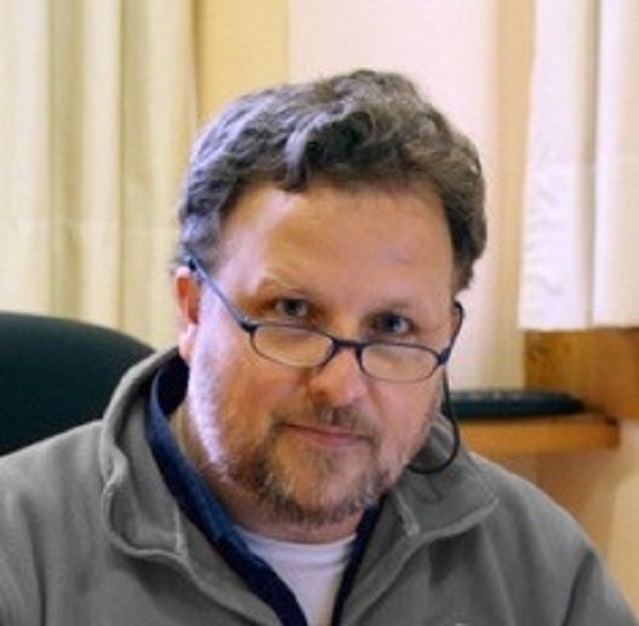
Eric MacDonald
Eric MacDonald, PhD
- Professor and Murchison Chair The University of Texas at El Paso, USA
Abstract: Sensing in 3D Printed Multi-Functional Structures 3D printing has been historically relegated to fabricating conceptual models and prototypes; however, increasingly, research is now focusing on fabricating functional end-use products. As patents for 3D printing expire, new low-cost systems are being adopted more widely and this trend is leading to a diversity of new applications, processes and available materials. However, currently the technology is generally confined to fabricating single-material structures. For additively-manufactured products to be economically meaningful, sensing is required to be incorporated (printed directly or robotically placed) to provide electronic, electromechanical, electromagnetic, thermodynamic, chemical and optical content. By interrupting the 3D printing and employing complementary manufacturing processes, additional functional content can be included in mass-customized structures. This presentation will review work in multi-process 3D printing for creating structures with embedded sensors for anatomy-specific wearable electronics, electromagnetics, propulsion, embedded sensors in soft tooling and even in metal and ceramic structures.
Bio: Eric MacDonald, Ph.D. is a professor of mechanical engineering the University of Texas at El Paso (UTEP). Dr. MacDonald received his doctoral degree (2002) from the University of Texas at Austin and worked in industry for 12 years at IBM and Motorola. He subsequently co-founding a start-up specializing in microprocessor design, which was acquired by a firm in Silicon Valley. Dr. MacDonald held faculty fellowships at NASA’s Jet Propulsion Laboratory, US Naval Research and was awarded a US State Department Fulbright Fellowship in South America. His research interests include 3D printed multi-functional applications and process monitoring in additive manufacturing for improved quality and yield. Recent projects include 3D printing CubeSat satellites with structurally embedded electronics (one of which was launched into Low Earth Orbit in 2013 and another serving as a replica on display at the London Museum of Science). He has over 100 peer-reviewed publications and dozens of patents including one licensed by Sony.
George Malliaras
Prof. George Malliaras
- University of Cambridge
About Prof. George Malliaras
Abstract: The interfacing of electronics with the brain will help us understand how the brain works and will give us new tools for the diagnosis and treatment of neurological diseases. The field of organic electronics has made available a host of novel sensors that offer a unique combination of attractive properties, including mechanical flexibility, mixed ionic/electronic conduction, and enhanced biocompatibility. I will present examples of sensors that record brain electrophysiology and metabolism and show how they can be used to understand brain physiology and pathology, and to control actuators that deliver new therapies.
Bio: Professor George Malliaras received a PhD from the University of Groningen (1995) and did a postdoc at the IBM Almaden Research Center. Before joining the Ecole des Mines, he taught Materials Science at Cornell University (1999-2009), where he also served as the Director of the Cornell NanoScale Facility. His research has been recognized with awards from the New York Academy of Sciences, the US National Science Foundation, and DuPont. He is a member of the Hellenic National Council for Research and Technology, a Fellow of the Materials Research Society and of the Royal Society of Chemistry.
Hans Meixner
Hans Meixner
- Siemens AG Corporate Technology, Munich, Germany
About Hans Meixner
Whereas in the 1970s microelectronics was one of the dominant strategic research and development goals, in the 1980s materials research and information engineering had priority.
Then in the early 1990s, development work was started mainly in the field of miniaturization and integration of extremely small functional units within a system, in order to open up new technologies of the future, ranging from micro- and nanostructures down to molecular and atomic units, by utilizing also phenomena of quantum physics and quantum chemistry. Sensors are of essential importance for most products and systems and for their
manufacture. To some extent the development of sensors has not been able to keep pace with the tumultuous developments in microelectronic components. For this reason sensorics is in a restructuring phase in the direction of achieving increased miniaturization and integration of sensors and signal processing within a total system.
This is giving substantially more importance to technologies that permit low-cost manufacture of both the sensors and the related electronics. Microtechnologies – Microsystems Engineering The basic philosophy of microsystems engineering can be described as using the smallest possible space to record data, process it, evaluate it, and translate it into actions. The special feature of this engineering is its combining of a number of
miniaturization techniques or basic techniques.
Technical developments in the fields of sensorics, actuators, ASICs, and micromechanics are growing together into a “system”. Innovations in the area of fieldbus engineering and mathematical tools (computer logic) can improve these systems and optimize communication between them.
Thus a complex technology is available that autonomously processes information and directly translates it into actions in a decentralized fashion in peripheral equipment, without the need for large-scale central data processing.
Microsystems engineering is thus not only an enhancement of microelectronics, it also represents a qualitative innovation.
Microelectronics has entered in nearly all devices in which information is processed or processes are regulated or controlled, from the computer to the automobile and extending to self-sufficient robot systems. Why should not other components and technologies be miniaturized and integrated on a chip and the intelligence of the
system be expanded, with a simultaneously greatly reduced energy consumption? The sum total of these future changes brings a large number of new applications having great benefits for society.
The combination of a number of miniaturization techniques presoupposes that the following problem is solved: in the design and realization of systems, a great deal of interdisciplinary knowledge concerning technical possibilities and technologies must come together. In the ideal case, this “knowledge” should come from one entity, because otherwise a high degree of cooperation is required. This can be successful in turn only when the exchange of information and the logistics are good and it must be based on standardization and high quality.
IEEE Sensors 2004, Oct. 24-27, 2004, Vienna, Austria
2
A number of separate technologies have already been developed in recent years: highfrequency circuits, power semiconductors and displays are still part of the field of electronic-elements and they expand the functional scope of the “classical” microelectronics. Microme-chanics, integrated optics, electrooptics, chemosensors,
biosensors, polymer sensors, sensors in thin-film and/or thick-film engineering radioreadable passive surface acoustic wave (SAW) sensors are opening up completely new dimensions.
Up to now, these technologies have only been pursued separately from one another and in part they are also based on different materials from silicon, for example, on gallium arsenide, ceramics (eg, Al2O3), glass or even monocrystals such as quartz or lithium niobate.
Nevertheless, today microsystems are frequently constructed in hybrid fashion from various different parts, from various technologies, with the goal of miniaturization going along with a simultaneously and enhanced functionality. Therefore, new procedures are aimed at combining chips directly with one another, whether this is a
“chip on a chip” or as a “chip within a chip”.
Microsystems engineering will provide manufacturing machinery which will enable much finer work than than it is possible today. The door to the submicro world has in any case already been opened. The former magical limits of micrometer dimensions are being considerably lowered by the present-day memory chips and SAW
components. Microsystems engineering leads us into nanotechnology and micromachines will be able to produce systems in molecular and atomic range.
Current research work is aimed first of all at bringing together sensors, actuators and logic components into self-contained units (Fig. 1-1). Here it is not a multitude of elements that is in great demand, but a multiplicity of functions. But to integrate this multiplicity means to bring together different production processes and technologies.
Difficulties are necessarily associated with this task, since frequently many processes are “not compatible” with one another Fields of application
IEEE Sensors 2004, Oct. 24-27, 2004, Vienna, Austria
3
For greater functionality, modern technical systems require more information. They become available by communication-capabel (reachable, radio-readable) sensors.
The availability of low-cost sensors plays an important role in ensuring that the implementation of these systems will be marketable, especially when large numbers of units are involved. This goal is usually achieved only via “batch-capable” microtechniques. Some of these technologies for miniaturization are already available.
At this point, the great potential of sensors now at the market must also be addressed, because here also the evolution of sensor techniques is going in the direction of miniaturization, multi-functionality, integration, and intelligence.
The fields of application that have a high demand for sensors have already been cited in the Introduction. Here the following fields of application are relevant:
– transportation,
– safety, security
– modern conveniences,
– vehicle-drive management,
– vehicle running gear,
– traffic guidance, traffic engineering,
– intelligent rail systems,
– navigation,
– roadway-route and obstacle recognition,
– health and usage monitoring,
– building engineering
– environment
– production techniques

Veena Misra
Prof. Veena Misra
- Professor, Electrical and Computer Engineering, North Carolina State University, USA; Director, National Science Foundation Nanosystems Engineering Research Center on Advanced Self-Powered Systems of Integrated Sensors & Technologies (ASSIST); IEEE Fellow
“Body powered sensors for continuous physiological, biochemical and environmental sensing”
Abstract: In this talk, we will report on our latest progress on body powered sensors to enable continuous and vigilant sensing of critical health and environmental parameters. The ability to achieve self-powered operation depends on engineering both sides of the power problem: energy generation and energy consumption. This talk will cover advances in harvesting body heat and body motion as well as minimizing power consumption in electronics and sensors. Implementation of these systems in various health use cases will be presented.
Bio: Veena Misra is the Director of the National Science Foundation Nanosystems Engineering Research Center on Advanced Self-Powered Systems of Integrated Sensors and Technologies (ASSIST). She is a Distinguished Professor of Electrical and Computer Engineering at North Carolina State University and also an IEEE Fellow. She is also 2018-2020 IEEE Distinguished Seminar Speaker. She received the B.S., M.S., and Ph.D. degrees in electrical engineering from North Carolina State University, Raleigh. After working at the Advanced Products Research and Development Laboratories, Motorola Inc., Austin, TX she joined the faculty of North Carolina State University in 1998. She has authored or coauthored over 150 papers in the areas of state-of-the-art low-power CMOS devices, power devices, alternative high-mobility substrates, nanoscale magnetics, and energy-harvesting. Dr. Misra was the recipient of the 2017 R.J. Reynolds Award for Excellence in Research and Teaching, 2001 National Science Foundation Presidential Early CAREER Award, the 2011 Alcoa Distinguished Engineering Research Award, and 2007 Outstanding Alumni Research Award. She also served as the general chair of the 2012 IEEE International Electron Device Meeting.
Khalil Najafi
Professor Khalil Najafi
- Biomimetic Hair Sensors: Utilizing the Third Dimension
About Professor Khalil Najafi
Shigeru Nakamura
Shigeru Nakamura
- Tokimec Inc., Japan
About Shigeru Nakamura
Various applications such as advanced automotive safety systems, mobile phone, virtual reality and robotics increase the demand for inexpensive and miniaturized inertial sensors with high accuracy. One solution fulfilling these requirements is a MEMS Inertial sensor. The most common MEMS angular rate sensor is a vibratory gyroscope, which detects Coriolis force. This paper reports a new design of a MEMS inertial sensor. This sensor, which is based on the principle of a rotational gyroscope, can detect both 3-axis acceleration and 2-axis angular rate at a time by electrostatically suspending and rotating a rotor in the shape of a ring made from silicon.The device has several advantages: the levitation of the rotor in a vacuum eliminates a mechanical friction resulting in high sensitivity; the position control for the levitation allows to sense accelerations in tri-axis. Latest measurements yield noise level of gyro and that of accelerometer as low as 0.002deg/s/Hz1/2 and 20 µG/Hz1/2 respectively, with a 1.5mm diameter rotor at 74,000rpm.
Jun Ohta
Jun Ohta
- Director, MIT Senseable City Lab, and Partner, Carlo Ratti Association
About Jun Ohta
His current research interests are smart CMOS image sensors for biomedical applications and retinal prosthetic devices. His lab group has developed a CMOS-based miniaturized devices for biomedical applications, for example, a brain-implantable ultra-micro imaging devices for freely-moving mice, a CMOS sensor-based optical analysis device for microchemistry system, a CMOS based microchip for retinal prosthesis, lensless imaging device for digital ELISA.
He serves as an Editorial Board of Journal of Engineering, IET, an International Liaison of IEEE BioCAS 2014, a Program Chair of Biomedical Devices Session in Int’l Conf. Solid-State Devices and Materials (SSDM).
He is a member of the Japan Society of Applied Physics (Fellow), IEICE Japan, ITE Japan (Fellow), IEEE, and OSA.
Robert Puers
Professor Robert Puers
- Implantable chips and sensors: quo vadis?
About Professor Robert Puers

K. VijayRaghavan
Professor K. VijayRaghavan
- Principal Scientific Advisor to the Government of India
Talk Topic: Engineering Nature
Abstract: The theory of evolution and the discovery of how traits are inherited have transformed our understanding of life, step by step and then by leaps over the past century and a bit more. All life on earth has a common origin and underlying its shared chemistry is the thread of DNA (Deoxyribonucleic acid) which connects all life. Mutations in DNA lead to both the diversification of life forms and the variations we see within a species from generation to generation. Today, the extraordinary tools we have created allow us a deep understanding of the details of how, for example, a fertilized egg divides to create a human body and how the brain works. While we have learnt much, there is much, much more that we realise we do not know. The quest to understand Nature’s engineering continues and will be never-ending.
Very interestingly, as our understanding of Nature has increased, humans have also embarked on using this understanding to engineer Nature. This began in a small way, about 10,000 years ago. Today, in what is called the Anthropocene, humans hold the planet’s future in their hands. By a variety of methods, we have changed the face of the planet and now have the ability to alter life forms and create new ones.
In my talk I will take us through the journey of how we reached here and what role we now have as Nature’s Engineers and the planet’s guardians.
Carlo Ratti
Carlo Ratti
- Director, MIT Senseable City Lab, and Partner, Carlo Ratti Association
About Carlo Ratti
Michael L. Roukes
Michael L. Roukes
- Caltech, USA
NEMS and sensing – from classical to quantum
It has been over thirty years since my first efforts in 1991 that launched the field of NEMS. Since that time, NEMS has become a truly global endeavor that has engendered amazing milestones from many laboratories. I will survey this landscape, and then turn to some of the exciting possibilities in classical and quantum sensing with NEMS being pursued today.
Bio: Roukes was founding Director of Caltech’s Kavli Nanoscience Institute from 2003-2006, and Co-Director from 2008-2013.
During 2021-2022 he is on sabbatical (at Caltech) and is primarily focusing full-time on collaborative research towards realization of instrumentation for deep profiling of the single-cell proteome.
Professor Roukes completed undergraduate majors in both physics and chemistry at the University of California Santa Cruz, and thereafter earned a Ph.D. in physics at Cornell University, focusing upon electron transport in microstructures at ultralow temperatures. Subsequently, he joined Bell Communications Research as a Member of Technical Staff / Principal Investigator in the (then-new) Quantum Structures Research Group, where he carried out some of the earliest explorations of the physics of nanoelectronic devices. In 1992 he joined the tenured faculty at the California Institute of Technology, where he built nanofabrication facilities and has established a large nanoscience research group, now heavily involved in cross-disciplinary collaborations. Roukes’ scientific interests range from fundamental science to applied biotechnology —with a unifying theme centered upon development, application, and very-large-scale-integration of complex nanostructures. He has published and written extensively on nanoscience and nanotechnology, has lectured at most major research centers world-wide, and is active on many national and international committees that promote this field.
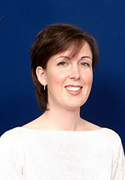
Sheila Rowan
Prof. Sheila Rowan
- University of Glasgow
About Prof. Sheila Rowan
Bio: Professor Sheila Rowan is the Chief Scientific Adviser for Scotland. She is the Director of the Institute for Gravitational Research at the University of Glasgow. She received an MBE in 2011. Sheila’s research is targeted at developing optical materials for use in gravitational wave detectors. Her recent work has been a crucial part of the Advanced LIGO upgrades, carried out between 2010 and 2015, that contributed to one of the most significant scientific breakthroughs of this century: the first detection of gravitational waves announced in February 2016. This resulted in a share of the 2016 Special Breakthrough Prize in Fundamental Physics for her and the members of her team in Glasgow.
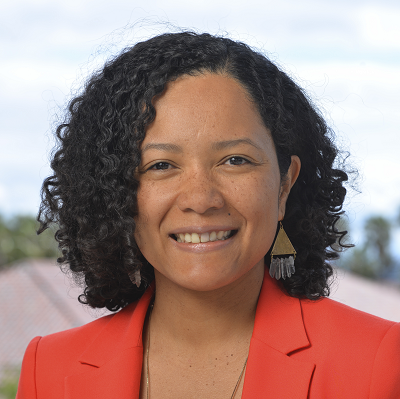
Debbie G. Senesky
Debbie G. Senesky
- Stanford University
Debbie G. Senesky is an Associate Professor at Stanford University in the Aeronautics and Astronautics Department and by courtesy, the Electrical Engineering Department. In addition, she is the Principal Investigator of the EXtreme Environment Microsystems Laboratory (XLab). Her research interests include the development of micro- and nano-scale sensors, high-temperature wide bandgap (GaN, SiC) electronics, and robust interface materials for operation within extreme harsh environments. She received the B.S. degree (2001) in mechanical engineering from the University of Southern California. She received the M.S. degree (2004) and Ph.D. degree (2007) in mechanical engineering from the University of California, Berkeley. In addition, she has held positions at GE Sensing (formerly known as NovaSensor), GE Global Research Center, and Hewlett Packard. She has served on the program committee of the IEEE International Electron Devices Meeting (IEDM), International Conference on Solid-State Sensors, Actuators and Microsystems (Transducers), and International Symposium on Sensor Science (I3S). She is currently co-editor for the IEEE Journal of Microelectromechanical Systems, Sensors (journal), and Micromachines (journal). In recognition of her work, she is a recipient of the Emerging Leader Abie Award from AnitaB.org, NASA Early Faculty Career Award, and Alfred P. Sloan Foundation Ph.D. Fellowship Award. More information about Prof. Senesky can be found at xlab.stanford.edu or on Instagram: @astrodebs.
“Tiny-but-tough” Gallium Nitride Sensors for Extreme Harsh Environments

Archana Sharma
Archana Sharma
- CERN, Switzerland
Secrets of the universe, technological advances and why should I care!
Imagine a life without the words www or http? They emerged one fine day from a scientific laboratory! The Large Hadron Collider (LHC) at CERN Geneva, Switzerland is home to thousands of high energy physicists. By exploiting large sophisticated radiation sensors, designed and constructed over decades we are cumulatively, seeking answers to questions about the origin, evolution and composition of our universe. At this forefront of scientific pursuit, working hand in hand with industries, spin off technologies have completely changed our lives. With the world wide web, medical imaging, diagnostic and treatment techniques, high-performance computing, space exploration, art restoration to name a few – the audacious, innovative cutting edge technologies of particle physics have entered and transformed mainstream society. In this talk I will trace the adventure of knowledge and technology transfer at CERN and how we can collectively fight pandemics, unknown and some known catastrophes and silent challenges like cancer.
Bio: Dr. Archana Sharma is a Principal Staff Scientist at the CERN Laboratory in Geneva, Switzerland active in the field since 1989 in high energy physics. A Ph.D. from Delhi University in 1989, a D.Sc. from the University of Geneva in 1996, and an MBA from International University in Geneva, Archana has worked at CERN experiments on R&D and commissioning of large scale radiation detectors. She is founder and Project Manager of CMS GEM Collaboration since 2008, bringing a new technology GEM (Gas Electron Multiplier) – for exploiting one of the most sensitive detectors with the highest discovery potential. The GEM project spanned about 40 institutions in 17 countries yielding over 75 PhDs under her leadership. Archana also serves as Senior Advisor for Relations with International Organizations at CERN, in support of CERN’s objective of integrating and highlighting fundamental research towards Science Diplomacy, and Sustained Development Goals. Recently Dr. Sharma has been appointed as Head of the Engagement Office for the ‘Compact Muon Solenoid’ Experiment at CERN which connects her with a collaboration spanning 57 countries and 247 institutes. She has collaborated with events at the ILO Geneva and World Communication Forum Davos as spokesperson for diversity, excellence in scientific communication. She is also well known for her relentless efforts in mentoring young students particularly girls in STEM; Archana holds patents for a family of sensors, is an editor of a special volume of Nuclear Instrumentation and Methods, author of over 1200 publications and 3 popular science books:
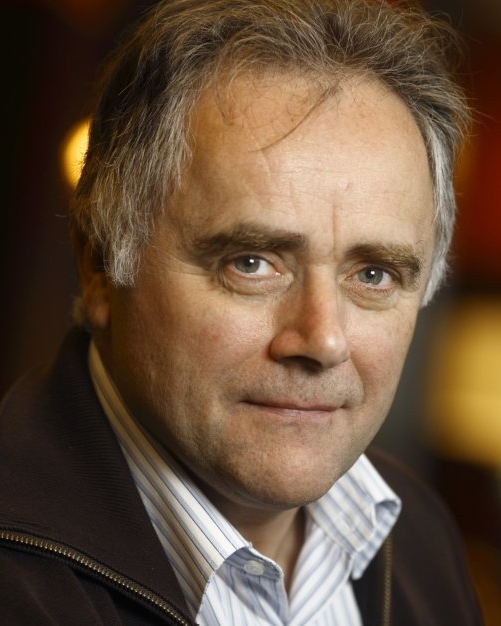
Albert Theuwissen
Albert Theuwissen
- Harvest Imaging/TU Delft
Abstract:DEEP-TRENCH ISOLATION : THE HOLY GRAIL FOR IMAGE SENSORS ?
For many years, pixel size shrinkage was the main R&D focus in the field of CMOS image sensors (CIS). The innovations have been mainly driven by the mobile phone industry. However, a pixel size of 1 um seemed to be the lower limit of what could be mass-fabricated in a CMOS image sensor process, maintaining a low cost and maintaining a decent performance. Recently Deep Trench Isolation (DTI) was introduced in the CIS production process. This opened a completely new horizon for smaller pixels and/or higher performance pixels, without sacrificing performance. Pixel shrinkage re-continued and 0.5 um seems to become the new target.
An overview will be given of the DTI developments needed to implement this technology in CIS without creating negative effects on the pixel performance (optical effects, electrical effects, leakage current, etc). But now that the DTI technology is made CIS compatible, new dimensions and new features can be added to CMOS image sensors. Examples are wide dynamic range (for automotive and industrial applications), enhanced near-IR sensitivity (for distance measurements and security applications), vertical photodiodes (fabricated in the third dimension), image sensors stacked to a processing die, global shutter pixels, etc. The various new applications will be reviewed in the presentation, together with a future outlook of what CMOS image sensors can bring : Will the main CIS focus still be the consumer stuff ? Will the mobile phone industry remain the driving force behind CIS innovation ?
Bio: Albert Theuwissen received the degree in electrical engineering and his PhD from the Catholic University of Leuven (Belgium) in 1977 and 1983 respectively. In 1983 he joined Philips Research Labs (the Netherlands) and in 2002 he started working for DALSA. His whole career he was involved in R&D of solid-state image sensors.
He issued several patents and he is author or coauthor of 240+ technical papers, including a textbook “Solid‑State Imaging with Charge‑Coupled Devices”. He acted as general chairman of the International Image Sensor Workshop in ’97, ’03, ‘09 and in ’15, and as International Technical Program Chair of the ISSCC2010.
In 2001, he became part-time professor at the Delft University of Technology, the Netherlands. He left DALSA in 2007, and founded Harvest Imaging. Since then he is fully focusing on training, teaching and consulting in the field of solid-state imaging technology.
In 2011 he received the Electronic Imaging of the Year Award and in 2017 he was elected as the President of the International Image Sensor Society.

Kiyoshi Toko
Professor Kiyoshi Toko
- Biochemical Sensors for Mimicking Gustatory and Olfactory Senses
About Professor Kiyoshi Toko
Shoogo Ueno
Professor Shoogo Ueno
- Graduate School of Medicine, University of Tokyo, Tokyo, Japan
About Professor Shoogo Ueno
Biomagnetics is an interdisciplinary field where magnetics, biology and medicine overlap. Biomagnetics has a long history since 1600 when William Gilbert published his book “De Magnete”. Recent advances in biomagnetics have enabled us not only to detect extremely weak magnetic fields from the human brain but also to control cell orientation and cell growth by using extremely high magnetic fields. Pulsed magnetic fields are used for transcranial magnetic stimulation (TMS) of the human brain, and both high frequency magnetic fields and magnetic nano-particles have promising therapeutic applications for the treatments of cancers and brain diseases such as Alzheimer’s and Parkinson’s. On the imaging front, magnetic resonance imaging (MRI) is now a powerful tool for basic and clinical medicine. New methods of MRI based on the imaging of impedance of the human body, called impedance MRI, and the imaging of neuronal current activities in the human brain, called current MRI, are also being developed.
The present key note lecture focuses on the recent advances in biomagnetics and bioimaging based on achievements obtained mostly in our laboratory in recent years. The lecture includes (1) a method of localized magnetic stimulation of the human brain by TMS with a figure-eight coil, (2) magnetoencephalography (MEG) by superconducting quantum interference devices (SQUIDs), (3) impedance MRI and current MRI, (4) cancer therapy and control of iron-ion release/uptake from/into ferritin, iron storage protein, by using both high frequency magnetic fields/pulsed magnetic fields, (5) measurements of iron content and amyloid aggregation via radiative decay modifications, and (6) magnetic control of cell orientation and cell growth by static high magnetic fields. These new biomagnetic approaches will open new horizons in brain research, brain treatments and regenerative medicine.
John Wikswo
Dr. John Wikswo
- Vanderbilt University, Nashville, TN, USA
About John Wikswo
Summary
Burgeoning genomic and proteomic data are motivating the development of numerical models for systems biology. However, specification of the almost innumerable dynamic model parameters will require new measurement techniques. The problem is that cellular metabolic reactions and the early steps of intracellular signaling can occur in ms to s, but the 100 to 100k s temporal resolution of measurements on milliliter culture dishes and well plates is often limited by diffusion times set by the experimental chamber volume.
Hence the instruments themselves must be of cellular dimension to achieve response times commensurate with key intracellular biochemical events, as is done with microelectrode recording of ion-channel conductance fluctuations and fluorescence detection of protein binding. The engineering challenge is to develop BioMEMS and molecular-scale sensors and actuators to study the breadth of mechanisms involved in intracellular signaling, metabolism, and cell-cell communication.
Motivation
Much of the effort in systems biology is focusing on development of numerical models for biological systems1-6 – a logical response to the burgeoning wealth of genetic and proteomic data. However, this approach will falter unless new techniques are developed to acquire the dynamic information necessary to specify the extraordinary large number of model parameters which accompany these complex models: the complete modeling of a single mammalian cell may require 105 variables and equations, cell-cell interactions are critical to system function, and some organs have 109 interacting cells. Models could easily require a mole of PDEs (a leibnitz), requiring an exaFLOPS-year of computation.
The most pressing modeling limitation will be the absence of adequate data on the 10-3-
10-6 s dynamics of cellular processes, as required by the Shannon theorem.
What is not yet widely recognized is that existing techniques used in the biology andbiochemistry laboratory are ill- suited to obtain the dynamic data that are required to drive these new, highly interconnected models. The fundamental problem is that the temporal resolution possible for measurements made on milliliter-volume culture dishes and well plates is limited by diffusion times, and hence the volume of the experimental chamber.
In order to obtain instrument response times that are commensurate with key intracellular biochemical events, the instruments themselves have to be of cellular dimensions. A few techniques can accomplish this – microelectrode recording of the conductance fluctuations of a single ligand-gated ion channel, or the fluorescence detection of a
protein binding event. However, the vast majority of biological measurements are made with time constants of minutes, hours, or days, rather than the milliseconds to seconds typical of cellular metabolism and the early steps of intracellular signaling. Although the national emphasis in systems biology is primarily based on effective integration of the biological and computational sciences, there is a clear need to add a third dimension, one which focuses on sound dynamic measurement principles and on the design of sensors and instruments used to capture and control the dynamics of intracellular events. Just as the closed-loop study of single ion channels revolutionized electrophysiology and allowed separation of the stochastic behavior of single channels from the ensemble average of an entire nerve or cardiac cell, and the study of receptor binding revolutionized pharmacology, the study of the rapid dynamics of the physiology of single cells will allow identification of specific physiological events lost in slow biochemical measurements averaged over a population of cells. We recognize that we must measure single cells not only in isolation, but in highly instrumented microenvironments that allow interactions between cells and their neighbors and invaders. More importantly, we have come to appreciate that great advances in physiology, for example the explanation of the nerve impulse, the discovery of the role of insulin in glucose regulation, and the elucidation of the mechanisms of cardiac hemodynamic control, often involved the interruption of normal, biological feedback mechanisms, and the insertion of artificial, external controls that could be monitored and adjusted. In the rapidly evolving world of systems biology, we need to develop devices that will allow us to not only measure dynamical physiological quantities at the cellular level, but also seize control of them. This in turn will require advances in microfluidics, nanoscience, microscopy, optics, electronics, and electrochemistry. Therein lies the challenge to the engineering community: apply Biological MicroElectromechanical Systems (BioMEMS) and molecular-scale sensors and actuators to address problems in intracellular signaling, metabolism, and cell-cell communication that are difficult to study with more conventional biological laboratory techniques. This in turn will require a interdisciplinary team that includes biologists, bioengineers, chemists, chemical, mechanical, and electrical engineers, mathematicians, pharmacologists, physicists, physiologists, and physicians. However, the key driver to this entire endeavor will undoubtedly be sensors that are small, robust, inexpensive, and capable of operating in a harsh biological environment. Most importantly, sensor arrays must allow the highbandwidth measurement of a very large number of tissue and intracellular variables, either in vitro and, eventually, in vivo.
Literature Cited
1. Ideker,T, Galitski,T, Hood,L. A New Approach to Decoding Life: Systems Biology,
Ann.Rev.Genom.Hum.Genet., 2, 343-372, 2001
2. Ideker,T. Systems Biology 101 – What You Need to Know, Nat.Biotechnol., 22,
473-475, 2004
3. Arkin,AP. Synthetic Cell Biology, Curr.Opin.Biotechnol., 12, 638-644, 2001
4. Endy,D and Brent,R. Modelling Cellular Behaviour, Nature, 409, 391-395, 2001
5. Tyson,JJ, Chen,K, Novak,B. Network Dynamics and Cell Physiology, Nature
Reviews Molecular Cell Biology, 2, 908-916, 2001
6. Schilling,CH, Covert,MW, Famili,I, Church,GM, Edwards,JS, Palsson,BO.
Genome-Scale Metabolic Model of Helicobacter Pylori 26695, The Journal of
Bacteriology, 184, 4582-4593, 2002
An-Suei Yang, PhD
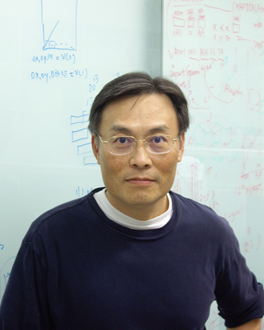
An-Suei Yang, PhD
- Professor, Genomics Research Center Academia Sinica, Taiwan
Topic: developing anti-SARS-CoV-2 nucleocapsid protein antibodies with phage-displayed synthetic antibody libraries designed with computational methods
Abstract: The SARS-CoV-2 (severe acute respiratory syndrome coronavirus 2) outbreak in late-2019 in Wuhan China has led to global COVID-19 (coronavirus infectious disease 2019) pandemic, declared by the World Health Organization in March 11, 2020. During the outbreak of infectious diseases, tests to detect infected patients are urgently needed. RT-PCR-based detection of viral genetic materials and antibody IgG and IgM responding to the pathogen infection in human blood can be deployed quickly once the pathogen’s genome sequence become known, but the downsides of these tests limit the broad deployment of the PCR-based tests, or do not provide information on the real-time contagiousness of the pathogen infection in the antibody tests. A third kind of test based on lateral flow immunoassay (LFIA) on viral antigens could provide infection information for disease treatment and prevention without additional facility and instrumentation with turnaround times of 15-20 minutes – much like existing rapid influenza diagnostic tests, and is of particular value for infectious disease outbreak control in regions of insufficient resources. The key component of the LFIA for an antigen is the capture and detection antibody pair binding the target antigen with high affinity and specificity on two distinctively separate epitopes on the antigen. Because attaining suitable antibodies could be time-consuming and labor/cost-intensive, the LFIA devices are usually the most difficult to achieve rapidly among the three kinds of tests. Facing the challenge, we generated antibodies in IgG form that recognize both SARS-CoV-2 and the original SARS-CoV nucleocapsid (N) proteins. None of the IgGs bind the N protein of other human coronavirus strains. Our group accomplished antibody discoveries in 19 days, by working with our phage-displayed synthetic antibody libraries1, which had been designed with artificial intelligence models trained on antibody-antigen interactions2, constructed with chemically synthesized DNA, and expressed and then stored with phage display systems3. The antibody discovery processes were carried out in bacterial cultures, without need for animal facilities, thus mitigating time, material and environmental costs while enabling successful development of useful monoclonal antibodies. After completing the anti-N protein IgG development, our group completed a LFIA device prototype within one month. This work establishes a technological platform for rapidly developing LFIA devices in responding not only to the current COVID-19 pandemic but also in managing other infectious disease outbreaks in humans and animals. Indeed, we applied the technological platform to develop LFIA devices for avian influenza virus antigen in 2016 (manuscript submitted) and for African swine fever virus antigen in 2019 (manuscript in preparation). Developing solutions in responding to the challenges from the COVID-19 pandemic, we have demonstrated that the phage-displayed synthetic antibody libraries designed with computational methodologies could drive innovations in treating and preventing diseases.
Bio:
An-Suei Yang, Ph.D.
Education
1987 Ph.D. Chemistry, The Johns Hopkins University, Baltimore, MD.
1986 M. S. Chemistry, The Johns Hopkins University, Baltimore, MD.
1979 B. S. Chemistry, National Tsing Hua University, Taiwan.
Positions and employment
2018 – Division director of the Physical and Computational Genomics division, Genomics Research Center, Academia Sinica.
2010 – Research Fellow, Genomics Research Center, Academia Sinica.
2007 – 2016 Deputy Director, Genomics Research Center, Academia Sinica.
2004 – 2010 Associate Research Fellow, Genomics Research Center, Academia Sinica.
2000 – 2004 Assistant Professor, Department of Pharmacology and Columbia Genome Center, Columbia University
Herre van der Zant
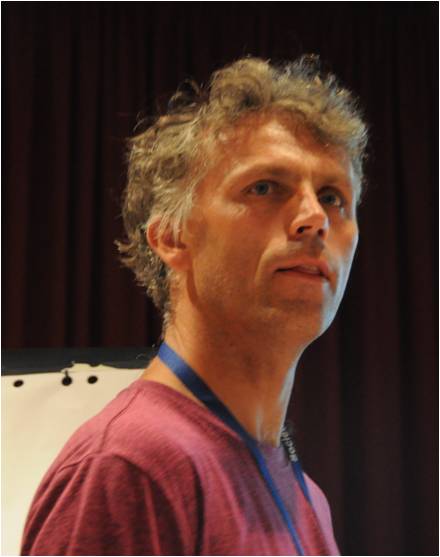
Herre van der Zant
About Herre van der Zant
Ying Zhang
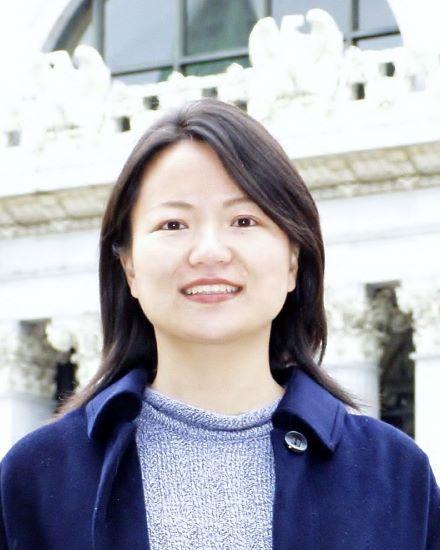
Prof. Ying Zhang
- Professor Georgia Institute of Technology
“Remote vital sign detection and sensing”
Abstract: The vital sign detection and sensing based on microwave Doppler radar has the capability of measuring vital sign signals, such as heartbeat and respiration, without directly attaching electrodes to the skin, and can measure the vital sign at a distance or even through obstacles. With the emerging of miniaturized and cost effective microwave/millimeter-wave radars, non-contact vital sign sensing is enabling a wide range of potential applications, from post-disaster survivor search and rescue, remote healthcare, home patient monitoring, cardiovascular disease prediction to cardiac biometrics. It also brings new challenges both in hardware and software to researchers. This talk will cover some recent technological development in this field and discuss some significant challenges that need to be addressed.
Bio: Dr. Ying Zhang is a Professor in the School of Electrical and Computer Engineering at the Georgia Institute of Technology. She is the director of the Sensors and Intelligent Systems Laboratory at Georgia Tech. Her research interests focus on systems-level interdisciplinary problems in wireless sensor networks, internet of things, biomedical engineering, and intelligent monitoring and diagnostic systems. She has published more than 100 technical papers in international journals and conferences in multiple engineering disciplines. Dr. Zhang received the Lockheed Martin Dean’s Excellence in Teaching Award in 2012, NSF Early Faculty Career Development (CAREER) Award in 2013, Hesburgh Award Teaching Fellow in 2017, TechConnect National Innovation Award in 2017, and TechConnect Defense Innovation Award in 2017. Dr. Zhang is an Associate Editor of the IEEE Sensors Journal.